


Identification Guide Between Marble And Limestone
Sep 25, 2017
Identification Guide between Marble and Limestone
The following is an identification guide to several standard types of stone used in sculptures, carving, building construction and similar. The types covered are marble and limestone.
Marble - marble is composed exclusively of large commonly visible crystals of calcite. The gray/white bands in some of the samples are due to impurities within the calcite. Marble actually comes in a variety of colors, including black, gray, white, and pink. Marble, like all rocks that have calcite in them, fizz if you put a weak acid on it (usually 10% solution of hydrochloric acid). Splash water on the material surface . Marble does not absorb water and water will pool.
If you put an acid liquid like vinegar or lemon juice, marble will react producing fizzing bubbles. The bubbles are very small, so you might need a magnifying glass to se it. Marble forms when a rock containing calcite in it (such as limestone) was put under high temperature and pressure conditions. Marble has been used throughout history because it is easy to break and to carve. Some marble (especially in Italy) is noted for its smooth, small crystals that make it excellent for statues. Many of the statues of Michelangelo were made from marble. Marble is also used as an ornamental building stone.
Rock Type: sedimentary
Composition: mostly calcite
Distinguishing Characteristics: whitish-grey with a chalky texture.
Uses: This highly pure limestone is used as flux in the steel making process and is used in the production of glass. Other applications include paper production, sugar refining, acid lake treatment and flue gas desulphurisation. Limestone has construction, agricultural and automotive applications. It is also supplied to feed mills and chicken farmers.
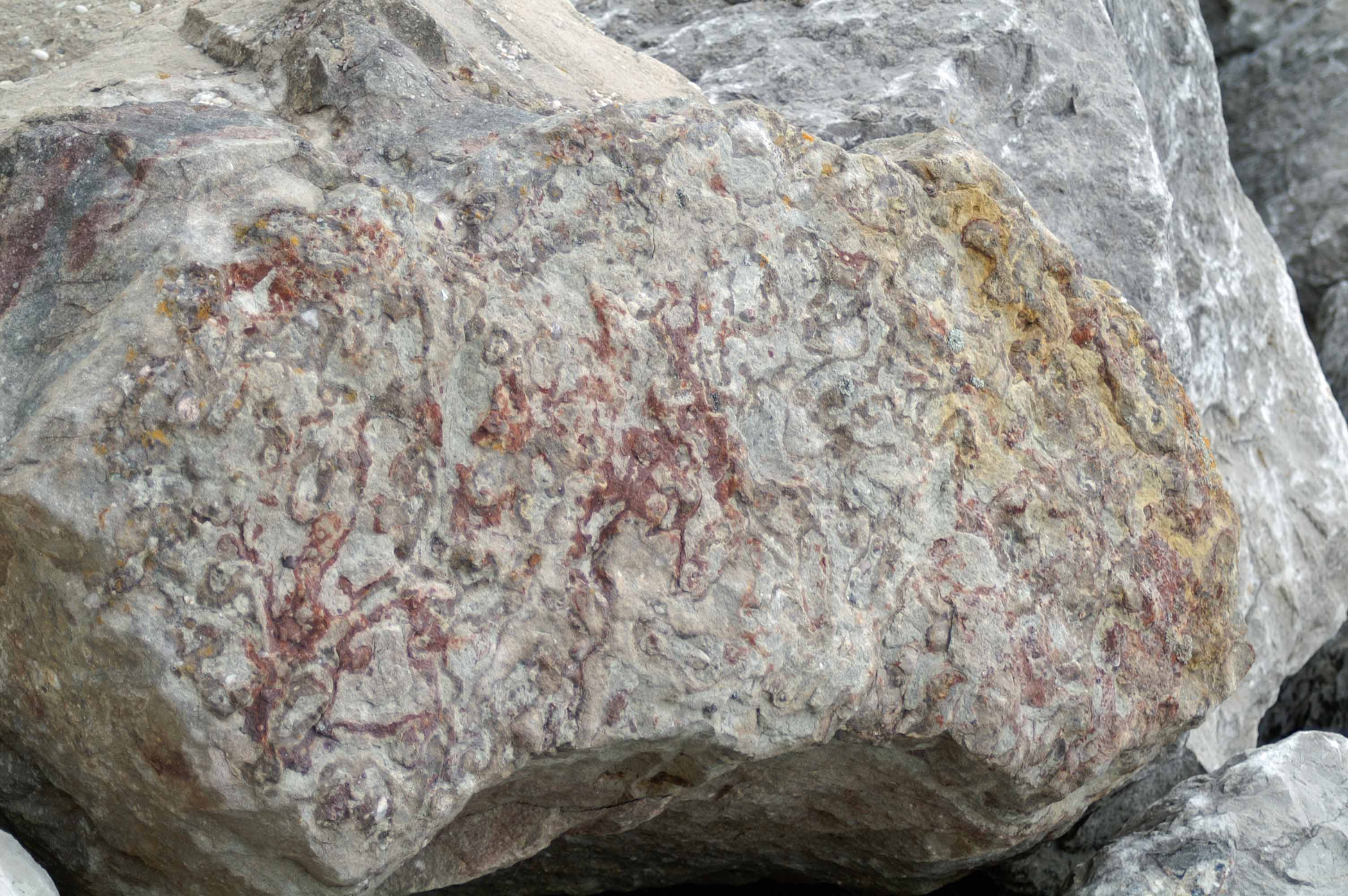
Limestone - a calcite based stone that is made up of layers and layers of densely compacted material. This sedimentary stone is most often formed in shell reefs, so it’s not uncommon to find small shells and other fossils embedded in the stone. Some limestones are hard enough to hold a high polish, while other limestones are so soft that constant exposure to water will actually cause them to dissolve.
All limestones are every soft and porous, and more easily stained and scratched than marble. Therefore, limestone should be used with care in wet and high traffic areas.
Rock Type: metamorphic
Composition: very pure, recrystallized calcite
istinguishing Characteristics: medium to coarser grained, light coloured and calcite crystals may be visible.
Uses: Marble is used for construction, countertops, and carvings, and may be a source for magnesium.
You Might Also Like
-
Turkey Golden Travertine Tile for Interior Floor and Wall...
-

Arabescato White Marble For Kitchen And Bathroom
-

Cordillera Dark Gray Marble for Tile and Countertops with...
-

Luxury Natural Crystal Blue Marble Wall Flooring Tiles
-

Villa Project for Grey Granite Blue Leopard Granite Project
-

Plished Bruce Gray Marble Slab For Decorative Wall