


Winter Stone Care: Why It Matters in the Cold Season
Sep 09, 2025
As September rolls in and the days gradually cool, it's a good reminder that winter is just around the corner. Natural stone surfaces, from marble countertops to granite steps and quartz patios, will soon face snow, ice, and cold temperatures. While these materials are durable, the seasonal changes can lead to water stains, cracks, and surface dulling if not properly cared for. Understanding proper stone care in winter now, before the first freeze, ensures your stone stays beautiful and resilient throughout the colder months.
1. Common Challenges During Cold Weather
Outdoor stones are most at risk from the freeze-thaw cycle. When snow or rainwater seeps into the pores of granite or marble and freezes overnight, the expansion can gradually lead to small cracks or even flaking. On top of that, de-icing salts used on walkways and driveways, though effective at melting snow, are highly corrosive to stone surfaces and may leave behind stubborn white marks or chemical stains.

Indoors, the main concern is preventing moisture damage. Kitchens and bathrooms with frequent steam, combined with limited ventilation during winter, can leave water spots and dull patches on marble, granite, or quartz if they are not properly sealed and maintained. Routine marble maintenance and general stone maintenance help prevent such winter damage and preserve the natural beauty of your surfaces.

2. How to Protect and Maintain Your Stone
The best defense in winter begins with regular cleaning. Outdoor stone should be kept free of snow buildup and rinsed with clean water whenever ice melt has been applied nearby. For indoor marble or quartz, stick to a pH-neutral cleaner to avoid chemical reactions that strip the surface's natural polish. A protective sealer applied before the season can make a big difference, reducing the chance of moisture penetrating the pores of the stone. In areas where heavy traffic brings in dirt and salt, rugs and mats at entrances will act as the first line of defense. Just as important is keeping surfaces dry and free from standing water or steam, as prolonged exposure to moisture is one of the main culprits behind winter damage.

3. Care for Different Types of Stone
Not all stone reacts the same way to winter stress. Marble, with its softer composition, is more prone to etching and requires gentle cleaning along with sealing to prevent stains. Granite is tougher but can still be marred by road salt and should be washed down regularly to prevent long-term damage. Engineered quartz is non-porous and resists most stains, but it can still crack if exposed to sudden shifts between hot and cold, so avoid placing hot pans or boiling water directly on its surface when the surrounding environment is chilly. Understanding these differences allows homeowners to choose the right approach for their specific stone surfaces.

Final Thoughts
Winter may be harsh, but with the right care, your marble floors, granite steps, or quartz countertops can remain beautiful and strong throughout the season. A little attention goes a long way-whether it's sealing surfaces before the snow, cleaning up salt promptly, or simply preventing moisture from creeping into your stone. Proper stone maintenance ensures your investment lasts for years, while thoughtful stone care in winter keeps every surface looking its best. If you are looking for high-quality stone slabs or professional advice on care, Yeyang Stone is here as your trusted supplier for marble, granite, and quartz solutions.
You Might Also Like
-

China Marquina Black Marble for Flooring/Wall/Bathroom Tile
-

Cheapest Chinese Dark Brown Emperador Marble Tiles & Slabs
-
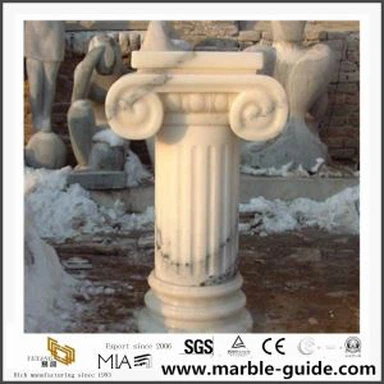
Natural Marble Stone Columns for Building Decoration Price
-

Sofitel Gold Marble Tile for Flooring
-

Multifamily Projects About Tidings Center Building Project
-

Beautiful Venice Brown Marble Stone Slab From China