What Is White Cultured Marble?
Oct 20, 2025
What Is White Cultured Marble?
White cultured marble is a man-made decorative surface material commonly used in bathrooms and kitchens. It is created by blending crushed marble dust, polyester resin, and pigments. The mixture is poured into a mold and coated with a clear protective gel coat, which gives the surface its glossy finish and strong resistance to moisture and staining.
How White Cultured Marble Is Made
The manufacturing process typically includes:
Applying the gel coat to the mold as the surface layer
Filling the mold with a mixture of resin, marble dust, and pigment
Curing for several hours until the slab or product hardens
Removing, trimming, and grinding the back for flatness
Sanding and buffing the surface before installation
Because it is cast in a mold, cultured marble can be made into countertops, shower walls, sinks, and integrated vanity tops.
Benefits of Cultured Marble
1. Nonporous and Water-Resistant
The gel-coat surface makes cultured marble nonporous, meaning it will not absorb water or stains. Unlike natural marble, it does not require sealing.
2. Good Durability
Cultured marble is more durable than laminate and offers solid resistance to daily wear. Minor surface scratches can often be buffed or repaired at home. (Deep damage through the gel coat may require professional repair.)
3. Integrated Design
Because it is molded, cultured marble can feature one-piece sinks and backsplashes, reducing seams and making cleaning easier.
4. Customizable Appearance
Colors, veining patterns, and finishes can be tailored. White cultured marble can be made with subtle veins to mimic classic Carrara-style aesthetics, or with a more modern, consistent look.
Cultured Marble vs. Real Marble
| Category | Cultured Marble | Real Marble |
|---|---|---|
| Appearance | Consistent pattern, customizable | Unique natural veining, each slab is one-of-a-kind |
| Cost | Entry-level, budget-friendly | Premium and expensive |
| Maintenance | No sealing required | Requires regular sealing |
| Durability | Resistant to stains and moisture | Porous and more vulnerable to etching |
| Heat | More heat-sensitive | Handles heat better |
Main takeaway: cultured marble is low-maintenance and cost-effective, while real marble is chosen for natural beauty and luxury value.
Where to Use Cultured Marble
White cultured marble is widely used in:
Bathroom vanity tops
Shower surrounds and shower walls
Bathtubs and tub skirts
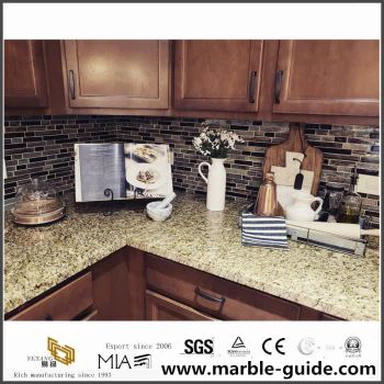
Kitchen and bathroom countertops
Backsplashes
Integrated sinks
It is especially popular on vertical surfaces and seamless shower walls because there are fewer joints and no grout to maintain.
Cleaning and Care Tips
Use non-abrasive, pH-neutral cleaners
Do not use vinegar, acidic cleaners, or abrasive pads
Avoid placing hot tools or cookware directly on the surface
Wipe spills promptly to maintain shine
Conclusion
White cultured marble offers the elegant look of stone with easier maintenance and a more affordable price. For homeowners who want a stylish, seamless, and low-maintenance surface-especially in bathrooms-cultured marble is a practical and attractive option.
FAQ – Frequently Asked Questions About White Cultured Marble
Q1: Does white cultured marble scratch easily?
Cultured marble is fairly durable and more scratch-resistant than natural marble, but it can still scratch. Avoid abrasive pads, sharp tools, or harsh scrubbing.
Q2: Can I use vinegar or acidic cleaners on cultured marble?
No. Acidic products like vinegar, lemon cleaners, or bleach can damage or dull the gel-coat surface. Always use pH-neutral, non-abrasive cleaners.
Q3: Is cultured marble more expensive than granite or real marble?
No. Cultured marble is generally much more affordable-often 50% or more lower in cost than natural marble, and also less expensive than most granite slabs.
Q4: Does cultured marble need to be sealed?
No. The nonporous gel-coat surface acts as a built-in seal, so there is no need for yearly sealing like natural marble.
Q5: Can cultured marble handle heat?
It has some heat resistance, but it is not as heat-tolerant as natural marble or granite. Hot pots, pans, or styling tools can damage the surface, so always use heat pads or trivets.
Q6: Can cultured marble be repaired if it gets damaged?
Yes. Minor scratches or dull spots can often be buffed and polished. Deep chips or cracks may require a professional refinishing service, but repair is usually possible.
Q7: What areas of the home are best for cultured marble?
It is most popular for vanity tops, countertops, shower walls, tub surrounds, and integrated sinks, especially in bathrooms where water resistance is a priority.