How Are Quartz Slabs Made? A Step-by-Step Overview
Aug 06, 2025
Quartz slabs are widely used in interior design, especially in kitchens, bathrooms, and commercial environments. Their durability, low maintenance, and elegant appearance make them a top choice across the globe. But how exactly are these engineered surfaces produced?
In this article, we'll walk you through the complete quartz manufacturing process, revealing what happens inside a modern quartz slabs factory. Understanding the steps of engineered quartz production not only helps you assess product quality, but also builds trust when choosing a supplier.
Step 1: Raw Material Selection
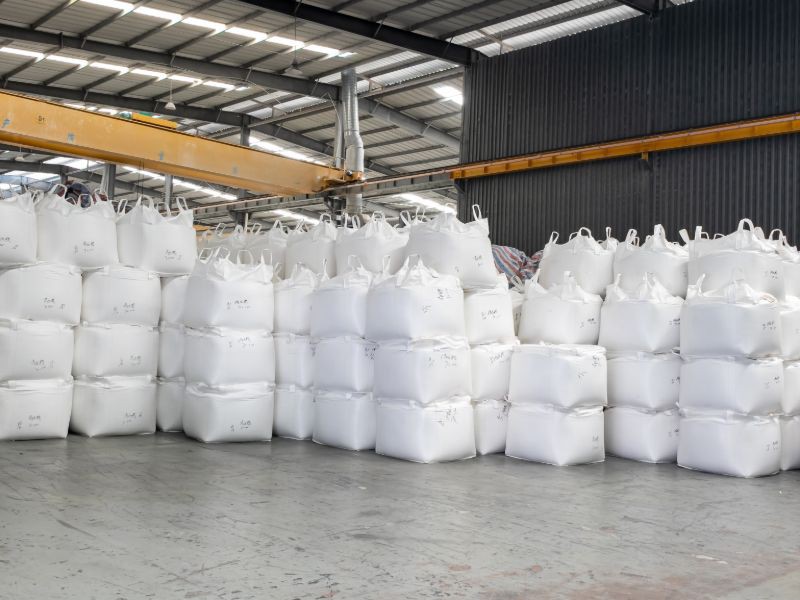
The production process starts with carefully selected raw materials. Over 90% of the composition is natural quartz crystals, combined with high-performance resins, pigments, and additives. A professional quartz slabs factory ensures the purity and consistency of all input materials-this is critical to producing slabs with a stable structure and appearance.
Step 2: Mixing and Blending
Next, all raw materials are blended in industrial mixers to form a uniform and consistent compound. This step is essential in engineered quartz production, as it determines the final color and hardness of the slab. Quality-controlled batching systems are used to minimize variations across production runs.

Step 3: Filling and Evenly Spreading the Mixture Inside the Mold
The homogeneous mixture is poured into a mold according to the desired slab size and thickness. Then it is evenly spread to create a level surface. This step shapes the foundation of the slab, ensuring proper form and even distribution of particles.

Step 4: Forming Under Vacuum & Vibration
The mold is subjected to vacuum pressure and vibration to remove air bubbles and compact the mixture. This step plays a vital role in the quartz manufacturing process, ensuring a dense, solid structure without internal voids. It directly impacts the strength and performance of the finished slab.

Step 5: Curing and Cooling
The compressed slabs are transferred to curing ovens, where they are exposed to temperatures around 90–100°C. This activates the resin system and solidifies the structure. After curing, the slabs are gradually cooled to prevent warping or internal stress.

Step 6: Edge Trimming and Protective Film Application
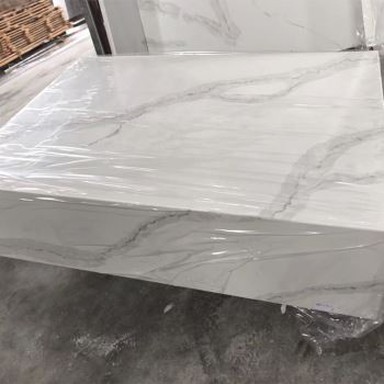
After cooling, slabs are trimmed to standard sizes with precise edge cutting machines. Then a protective plastic film is applied to the surface to prevent scratches during handling, transport, and storage. This filming step is a standard part of many modern quartz slabs factory operations.

Step 7: Grinding & Polishing
The slab surface is then processed through grinding and polishing lines. Diamond abrasives are used to achieve either a glossy finish or a matte texture, depending on the design. This step defines the visual appeal and surface smoothness of the slab, which is critical in engineered quartz production.

Step 8: Final Quality Inspection
Before packaging, each slab undergoes a full inspection. Quality control teams check for surface defects, color uniformity, thickness accuracy, and edge finishing. Reputable quartz slabs factories may also perform UV, chemical, and mechanical resistance testing to ensure long-term performance.

Why Understanding the Quartz Manufacturing Process Matters
For buyers, architects, and contractors, knowing how a quartz slabs factory operates can help you:
- Identify reliable suppliers
- Understand pricing differences
- Evaluate product consistency
- Reduce risk in large-scale projects
The level of detail and control in engineered quartz production directly reflects the overall quality of the slab-so it pays to work with factories that follow strict standards at every stage.

Quartz slabs don't just appear on countertops-they're engineered with precision and care. From raw material selection to grinding & polishing, every stage of the quartz manufacturing process is essential to delivering a durable, beautiful product.
If you're sourcing quartz for residential or commercial projects, partnering with Yeyang Group (with self-owned experienced stone factories), to ensures you get products that meet international quality expectations.