


How Do You Differentiate Real Marble And Cultured Marble
Oct 20, 2017
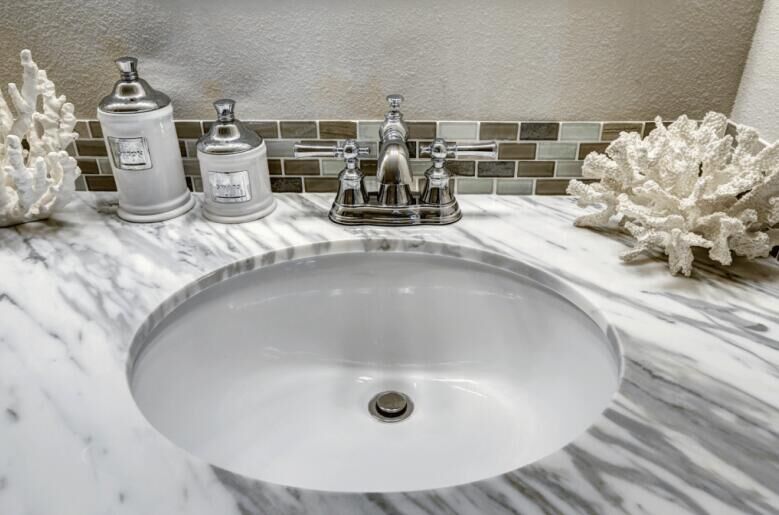
The elegance of true marble remains consistent within the building and interior design industries. The introduction of cultured marble in the late 1960s added a less expensive alternative to marble, one that looked almost as good as marble but didn't have the care and cost associated with the real thing. Marble kitchen counters enhance a home's value. Bathrooms with cultured marble outshine the real thing, are easier to maintain, and resist the staining associated with bathroom products. Before choosing either, understand the composition and cost of each, and consider what makes them unique.
Material Content
Real marble is mainly calcium carbonate. Marble is limestone or dolomite that has been metamorphosed with heat and pressure. Pure calcite marble is white, but impurities produce a wide variety of coloring and patterns. The marble can not withstand sudden changes in temperature (it's colder than the environment), humidity, presence sulphurous gas in the atmosphere.

Cultured marble is a mixture of resin and ground marble. It is less expensive alternative to natural marble.Cultured marble is a painting technique, it means the painting of painting surfaces so as to imitate the appearance of polished marble. It is typically used in buildings where the cost or weight of genuine marble would be prohibitive.
Maintenance Comparison
Real Marble is high maintenance. Though the brilliant colors and spectacular veining give marble a reputation for elegance and quality, it is a porous stone that requires constant care and maintenance. Marble can be stained, chipped, cracked or discolored. YeYang suggest sealing the marble surface every 6 months to a year.
Cultured Marble is an easy care product. It's a non porous surface finished with a gel coat to provide even further protection. The manufacturing process has been scientifically designed to fortify against the absorption of oils and staining. Manufacturing defects would be the only cause for chipping and cracking (with normal use). Standard household cleaners will work fine.
Manufacturing Process
After the materials of cultured marble are formed into slabs of different shapes and sizes, they are sealed and protected by a coat of polyester resin. Real marble which are then cut into pieces appropriate for counters, floors, tubs and sinks.
Environmental Impacts
Real marble is environmentally friendly. Conversely, cultured marble contains unrecycled petroleum products that bond the materials and create patterns and veins in the surface.
Price Comparison
The rarity of the marble dictates its initial cost, and the complexity of the installation adds to the price. Geography and the amount of competition within an area also figure into the cost. A bare minimum charge for marble in a highly populated and high marble-usage area is approximately $60 per square foot, including installation, at the time of publication.
Cultured marble installations are quoted on the complexity of the job. If the mold is for the shower and the shower pan needs replacing and plumbing redirected, the cost of the labor increases. Prices are quoted by the product, not the foot. For example: a bathtub may run up to $2,600, depending on the size, shape and complexity of the installation.
Understanding the difference between these two popular building materials can help you make the right decision for your home. If want to know more information about marble and Cultured marble, connect YeYang , since 1993, along with 23 years’ development, we have marble & Travertine Quarry more than 10 Quarries ,and also we are including Two Trade Company and Three Factory, our Factory Area is more than 60,000 m². Welcome to inquiry and visit our website for more product information.


