Cons of Travertine
Aug 20, 2025
Travertine is a sedimentary rock, specifically a form of limestone, known for its porous texture and use in construction and decoration. If you're searching for a natural stone tile for your next home improvement project, look no further than travertine. With proper maintenance and care, this natural stone has the durability and versatility to elevate any indoor or outdoor space. (What Are the Pros of Travertine?)
Cons of Travertine
Porous: Travertine is a porous material, meaning it easily absorbs liquids and stains. Proper sealing and regular care are essential to protect it from damage. Without maintenance, it may not be ideal for high-traffic areas or households with kids or pets.

High Maintenance: Travertine is not a low-maintenance stone. Like other natural stones, it requires consistent care to preserve its beauty. This includes routine cleaning with pH-neutral cleaners and annual resealing to prevent discoloration. Many people, however, find the elegance of travertine worth the effort.
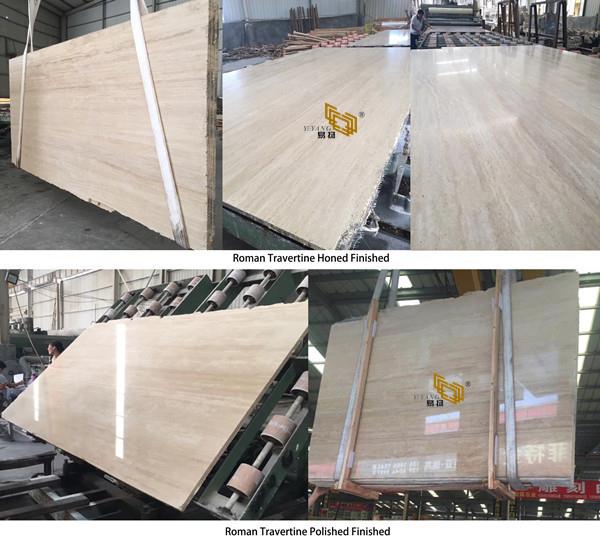
Vulnerable to Acids: Travertine is sensitive to acidic substances such as citrus juices, vinegar, and certain cleaning products. Spills containing acids can etch the surface, leaving dull spots or permanent damage. It is crucial to clean spills immediately and avoid harsh chemicals that could harm the stone.